Everything You Need to Know About Automation Testing: A Comprehensive Guide
In today’s fast-paced software development landscape, delivering high-quality applications swiftly is paramount. Automation testing has emerged as a pivotal strategy to achieve this goal, offering efficiency, accuracy, and scalability.
What Is Automation Testing?
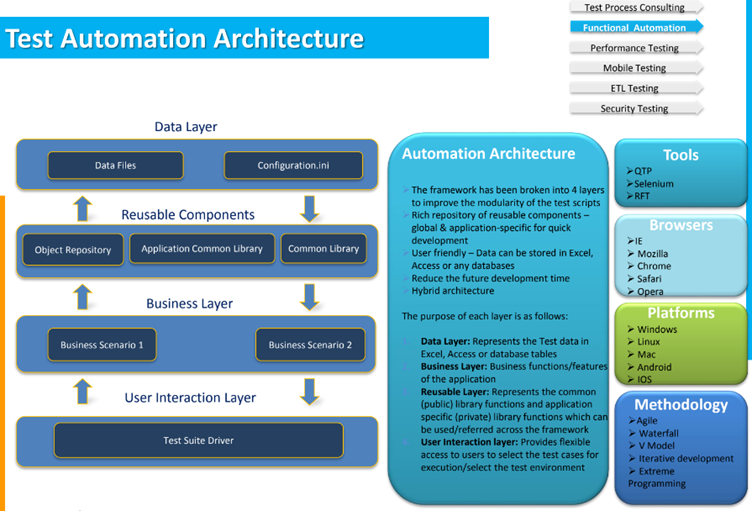
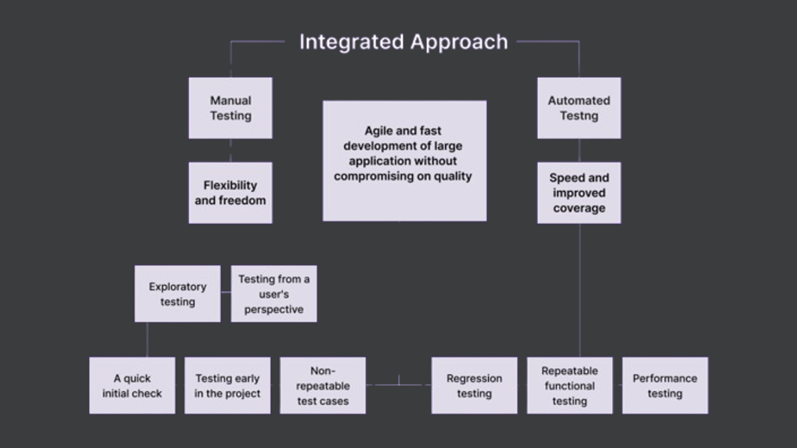
Automation testing involves using specialized software tools and scripts to automatically execute predefined test cases on software applications. Unlike manual testing, where human testers perform each test step, automation allows for the execution of tests without human intervention. This approach is particularly beneficial for repetitive tasks, regression testing, and scenarios requiring high precision.
Why Is Automation Testing Essential?
Incorporating automation into your testing strategy offers several advantages:
- Speed and Efficiency: Automated tests can run faster than manual tests, enabling quicker feedback and faster release cycles.
- Reusability: Once created, automated tests can be reused across different projects and platforms, ensuring consistency.
- Cost-Effectiveness: While the initial setup may require investment, automation reduces the long-term costs associated with manual testing efforts.
- Accuracy: Automated tests eliminate human errors, leading to more reliable test results.
- Scalability: Automation allows for testing across multiple environments, devices, and configurations simultaneously.
Key Types of Automation Testing
Understanding the various types of automation testing can help in selecting the right approach for your project:
- Unit Testing: Focuses on individual components or functions to ensure they work as expected.
- Integration Testing: Validates the interaction between integrated units or systems.
- Functional Testing: Assesses the functionality of the application against specified requirements.
- Regression Testing: Ensures that new code changes do not adversely affect existing functionalities.
- Performance Testing: Evaluates how the application performs under load and stress conditions.
- Security Testing: Identifies vulnerabilities and ensures the application’s data protection mechanisms are robust.
Popular Automation Testing Tools
Several tools have gained prominence in the automation testing domain:
- Selenium: An open-source tool for automating web browsers, supporting multiple programming languages.
- Appium: Designed for automating mobile applications across Android and iOS platforms.
- Jenkins: A continuous integration tool that facilitates the automation of various stages of the software development lifecycle.
- Cypress: A JavaScript-based end-to-end testing framework for web applications.
- Playwright: A Node.js library for browser automation, supporting modern web applications.
Best Practices for Effective Automation Testing
To maximize the benefits of automation testing, consider the following best practices:
- Identify Suitable Test Cases: Automate tests that are repetitive, time-consuming, or critical to the application’s functionality.
- Maintain Test Scripts: Regularly update and refactor test scripts to accommodate changes in the application and to improve readability.
- Integrate with CI/CD Pipelines: Incorporate automated tests into continuous integration and continuous deployment pipelines to ensure consistent quality.
- Monitor Test Results: Regularly review test outcomes to identify trends, potential issues, and areas for improvement.
- Collaborate Across Teams: Ensure that developers, testers, and other stakeholders collaborate to create comprehensive and effective automated tests.
Challenges in Automation Testing
While automation offers numerous benefits, it’s essential to be aware of potential challenges:
- Initial Setup Costs: The upfront investment in tools, training, and infrastructure can be significant.
- Maintenance Overhead: Automated tests require regular updates to remain effective, especially when the application undergoes frequent changes.
- Complexity in Test Design: Designing effective automated tests that cover all scenarios without being overly complex can be challenging.
- Tool Compatibility: Ensuring that selected tools integrate seamlessly with existing systems and technologies is crucial.
The Future of Automation Testing
The landscape of automation testing is continually evolving:
- AI and Machine Learning Integration: Incorporating AI can lead to smarter test scripts that adapt to changes in the application.
- Codeless Automation Tools: Emerging tools aim to simplify automation, allowing non-technical users to create and execute tests.
- Enhanced Reporting and Analytics: Advanced analytics can provide deeper insights into test results, aiding in quicker decision-making.
- Cloud-Based Testing: Leveraging the cloud enables scalable and flexible testing environments, accommodating diverse configurations and devices.
Conclusion
Automation testing is a cornerstone of modern software development, driving efficiency, accuracy, and scalability. By understanding its fundamentals, selecting appropriate tools, and adhering to best practices, organizations can enhance their testing processes and deliver high-quality applications. Embracing the future trends in automation will further solidify its role in achieving software excellence.
Novature Tech specializes in delivering customized automation testing solutions designed to meet your unique business goals, ensuring high-quality, dependable software applications. With deep expertise across diverse industries, we drive quality assurance using advanced automation strategies. Contact Novature Tech to discover how our cost-efficient, value-driven approach can power your next digital transformation.
Author: admin | Posted On: 17th September 2025 | Category: Article